
KUROWASSAN
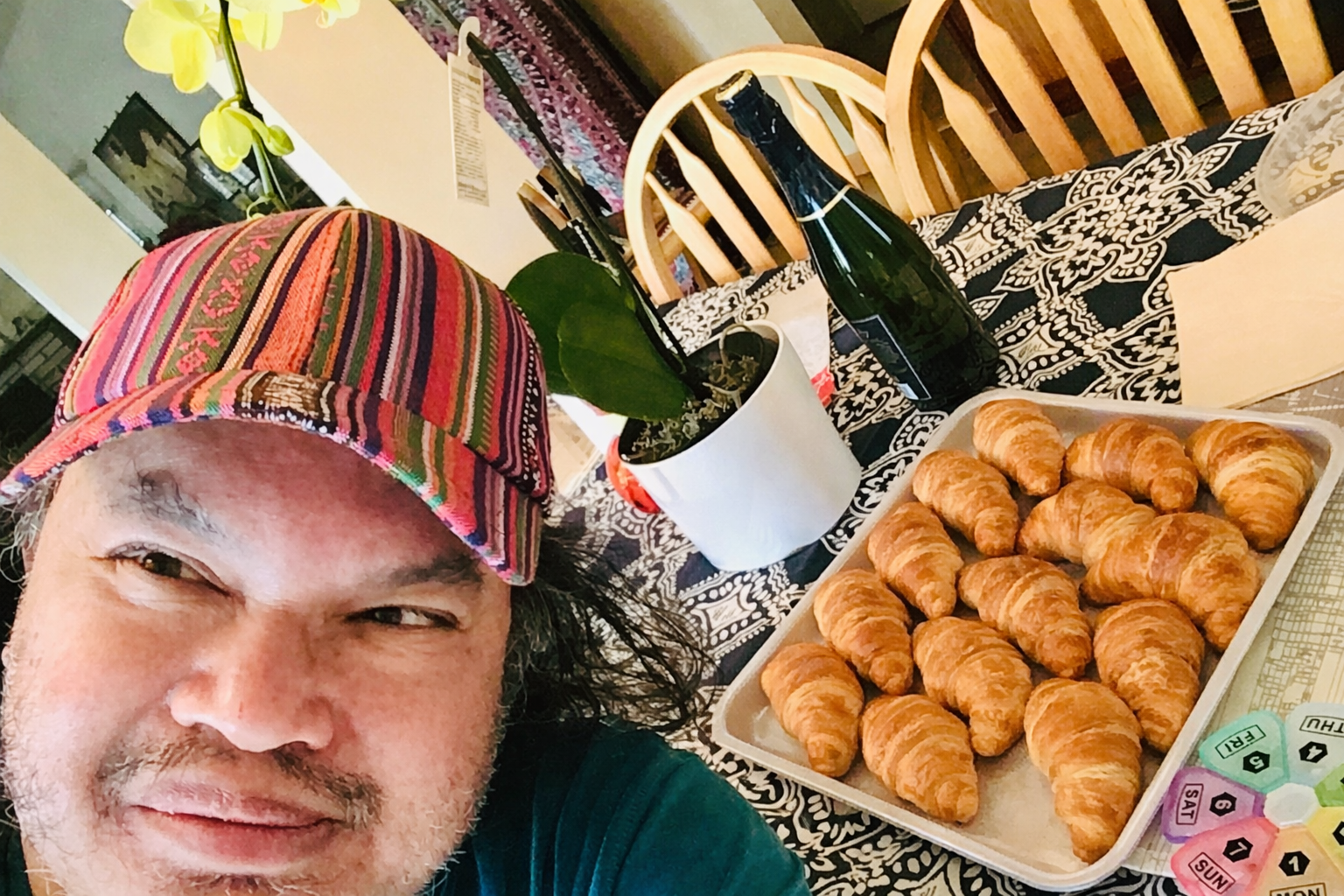
🍐
🧊Eᑎ ᒪᗩ IᑎᑌKTᑌTᗩ ᗪE ᗩᖇKTO, ᒪᗩ ᗰOᖇᖴEᗰᗩ ᗩᖴIKᔕO "ᐯIK" ᔕIGᑎIᖴᗩᔕ TEᗰᑭOᑎ ᗩŭ ᒪOKOᑎ, KIEᒪ Eᑎ IᑎᑌᐯIK, "ᑭOᑭOᒪᗩ ᒪOKO". ᗰᗩᒪᔕᗩᗰᗩ ᒪIᑎGᐯO EᔕTᗩᔕ KIEᒪ ᗰᗩᒪᔕᗩᗰᗩ TEᗰᑭO ᗩŭ ᒪOKO.
🍐
🏝️EᔕᑭEᖇᗩᑎTIᔕTO, ᒪOĵᗷᗩᑎIᔕTO, ᖴIᒪIᑭIᑎᗩᑎO, ᒍᗩᑭᗩᑎᗩᗰᗩᑎTO, KOᔕᗰOᗩᗰᗩᑎTO, ᔕIᑎKᖇETIᔕTO, ᔕᑕIEᑎᑕᖴIKᑕIOᗩᗰᗩᑎTO, ᒪᗩTIᑎIᗪᒪIᑎGᐯIᔕTO
SI NONONG 🦈
Ako po si Viktor "Nonong" Emmanuel Medrano Medrano, isang Pilipinong nakatira sa Kanada. Nagtagal ako sa Hapon. Tagalog ang katutubong wika ko. Medyo nakakabasa ako ng ilang wikang Latino bilang ang Kastila, Portuges, Pranses, Italyano, Katalan, at Chavacano. Bukod sa wikang Hapones na intermedyaryo na ako, kaunting natutunan ko ang iba pang mga wikang Asyano bilang ang Mandarin, Kantones, Koreano, Taylandes, at Byetnames. Interesado rin ako sa mga wikang indiheno bilang ang Klasikong Nahuatl, Yukatekong Maya, Guaraní, Haida, Inuktitut, Cree, at Quechua. Malimit akong mag-Ingles, at natutunan ko itong wika mula nang narseri hanggang unibersidad.
Natutuwa ako sa mga wikang guni-guning Lojban, Esperanto, Interlingua, Volapük, Klingon, Toki Pona, at Elefen. Sa mga wikang ito ko napapansin ang ibang espiritwalidad. Ang Lojban at Klingon ay mga wikang siyensiyang piksiyon. Sa makatuwid, binibigyang-diin kong ako ay isang Lojbanista-Esperantista, ang kulay-ube at berde.
Singkretista akong Animista-Budista. Mahilig ako sa astronomiya, potograpiya, biyolohiya, pagkain, anime, wikang guni-guni, at siyensiyang piksiyon. Bahaghari ang naging buhay ko.
Nasasarapan akong uminom ng tsaang mabula. Mahilig akong kumain ng tokwa. Ang mga paborito kong prutas ay ang pakwan, durian, bluberi, makopa, langka, dragong prutas, at ume. Sa lutuing Pilipino, paborito ko ang kaldereta at laing. Sa matamis, gusto ko ang biko, espasol, haluhalo, nata de coco, kaong, Brazo de Mercedes, buko pandan, nilupak, ube halaya, Sans Rival, Leche Flan, budín de pan, at bilu-bilo.
Nararamdaman ko ang espiritwalidad sa kalikasan, parte ng kosmolohiyang mas malawak sa astronomiya. Ang okupasyon ko sa pangarap ay maging astrobiyolohista. Naniniwala ako sa buhay sa labas ng Tiyera. Pangarap kong yumaman ang sangkatauhan sa kolonisasyong ekspansiyon sa ating Sistemang Solar, at pagkatapos ay sa ating galaksiyang Daang Magatas. Pangarap din ni multibilyonaryong Elon Musk na maging "makaespasyong sibilisasyon at multiplanetaryong espesye" ang sangkatauhan.
May repetisyon sa mga hugis ng mga bagay sa Sansinukob. Isip kong sa iba-ibang mundong ang hugis ng mga parang hayop ay parang kabayo, ibon, o tao man. May mga hugis nang parang puno o kabute. May pantasya akong mga parang taong ang balat ay berde o bughaw. Isip kong baka nga mayroon sa malayong-malayo. Isip kong kahit na ang dahilan ay mga panspermia o mga independenteng abiogenesis, may repetisyon ang hugis ng buhay na bagay. Kahit na parang bakterya lamang ang buhay sa ibang mundo, parang mahika na rin, marahil dulo ng aysberg. Sana'y makita ko ang ibang buhay. Nawa'y madiskubre ng mga dalub-agham.
Sa mundong ito, bumisita na ako sa Alemanya, Awstriya, Batikano, Belhika (daan ng tren), Britanya, Ehipto, Espanya, Gresya, Indonesia, Italya, Liechtenstein, Marwekos, Meksiko, Nederlands, Portugal, Pransiya, Singgapur, Suwisa, Taylandiya, Timog Korea, Tsina, at Turkiya. Sa Pilipinas ako pinanganak, at tumira na ako sa Hapon, Estados Unidos, at Kanada. Gusto ko pang marating ang Awstralya, Brasil, Byetnam, Guatemala, Madagaskar, Pinlandiya, Pranses na Guiana, Pranses na Polinesya, Sri Lanka, Suwesya, Tanzania, Timog Aprika, at Uruguay. (Nakita ko na naman ang mga itong bansa sa pananaw nang satelayt.)
Esensiyal na sina J. R. R. Tolkien, Ursula K. Le Guin, Olaf Stapledon, Frank Herbert, Tuesday Lobsang Rampa, Piers Anthony, Isaac Asimov, Tove Jansson, Arthur C. Clarke, Anne McCaffrey, Robert Heinlein, Samuel R. Delany, Ray Bradbury, Doris Lessing, Larry Niven, Edgar Rice Burroughs, Robert Silverberg, James Blish, at Somtow Sucharitkul ang kasali sa mga paborito kong manunulat. Mahilig ako sa piksiyong espekulatibong kabilang ang pantasya at siyensiyang piksiyon. Nadidiskubre ko ang espiritwalidad sa binabasa ko. Marami akong nagugustuhang animeng Hapon, katulad ng Violet Evergarden at Vampire Knight.
Ang mga lahi kong etnikong alam ko ay Pilipino, Kastila, Intsik, Griyego, Portuges, at Hudyo. Ang edukasyon ko ay sa unibersidad na UBC sa Inhinyeriyang Pangkimika at Agham Pangkompyuter na tinapos ko nang Batsilyer noong 1989.
Maligayang pagdating!
TAGA-FIRIPIN 🍒
Ⓕⓘⓡⓘⓟⓘⓝ
"Taga-Firipin ako talaga." "Pilipinas ang ibig sabihin mo, di ba?" "Hindi, Firipin!"
Ⓑⓘⓨⓐⓗⓔⓝⓖ Ⓛⓔⓝⓖⓖⓤⓦⓐⓗⓔ
Binibigyang diin sa buhay ko ngayon ang mga lengguwaheng Ingles, Tagalog, Kastila, Esperanto, Portuges, Tsino, Hapon, Interlingua, Lojban, at Pranses. Bukod dito, may mga ideya-ideya ako sa maraming iba-iba pang wika.
May mga ideya-ideya ako tungkol sa lengguwaheng Italyano. Sa mga bidyo, naiintindihan ko ang karamihang salita dahil alam ko ang Kastila. Kailangan ko ng magandang diksiyonaryo sa Italyano nang may Pandaigdigang Ponetikong Alpabeto, IPA sa Ingles, dahil may dalawang "e" at dalawang "o" sa Italyanong hindi nimamarkahan sa normal na sulat kung alin, kaya mas mahirap ang Italyano kaysa sa Kastilang isa lamang ang "e" at isa lamang ang "o" roon. Sayang at wala talagang kolonya ang Italya, bukod sa pasadong "Africa Orientale Italiana"—Silanganing Aprikang Italyano. Ang Italyano ko ay sa halos parehong nibel ng Catalan ko, pero mas mataas sa Ruso ko, Aleman ko, Griyego ko, Koreano ko, at Hawayano ko. Alam kong may lahing Italyano ako sa antigong panahon dahil sa mga Romano.
Interesado rin ako sa Byetnames at Taylandes, parang parte ng aking Naranghang Pangarap. Kaunting napag-aralan ko na itong dalawa. Narating ko na ang Taylandiya, at isip kong magandang tirahan kaya roon. Hindi ko pa nadalawan ang Byetnam. Isang araw kaya ako pupunta.
Mga iba pang wikang kaunting napag-aralan ko ay ang Indones, Hebreo, Arabe, Samoano, Pinlandes, Suweko, Klasikong Nahuatl, Klasikong Maya, Yukatekong Maya, Haida, Inuktitut, Sanskrit, Pali, Toki Pona, Klingon, Swahili, Yoruba, Tibetano, Malagasy, Elefen, Volapük, Welsh, at iba pa. Mukhang marami, pero binabasa ko ang mga preysbuk at mga siyentipikong dokumentong parang magasin o diyaryo sa akin nang maraming taon na. Libangan ko kasi, obsesyon kaya nang matagal. Noong nasa Paris ako sa hotel nang 2004, may dalang preysbuk at diksiyonaryo ako ng Indones na binabasa ko dahil gusto ko sanang magbasa ng mga Harry Potter sa Indones. Yaong kaibigan kong Hapong si Takahashi-san ay nagbabasa ng mga Harry Potter para matutunan niya ang Ingles. Sa bakasyon ko noong hayskul, tinikman kong mag-aral ng Arabe dahil sa impluwensiya ng seryeng Dune na sinulat ni Frank Herbert.
Sa makinang nagbebenta ng mga wika, napindot ko rin ang mga butones para sa Chabacano, Romanyano, Olandes, Turko, Tahitiyano, Cree, Guarani, Quechua, Cebuano, Ilokano, Serbo-Kroasyano, Hindi, Klasikong Latin, Ainu, Quenya, Makalumang Ingles, at iba pa. Patikim lamang.
Ang simula ng interes ko sa mga lengguwahe ay baka noong Gradong 7 ako sa Isla Lulu, at pinag-aralan ng klase ko ang kultura, lengguwahe, at relihiyon ng Antigong Ehipto. Gumawa pa ako ng dioramang may bangka ng dayami pa. May mga maliliit na estatwa pa.
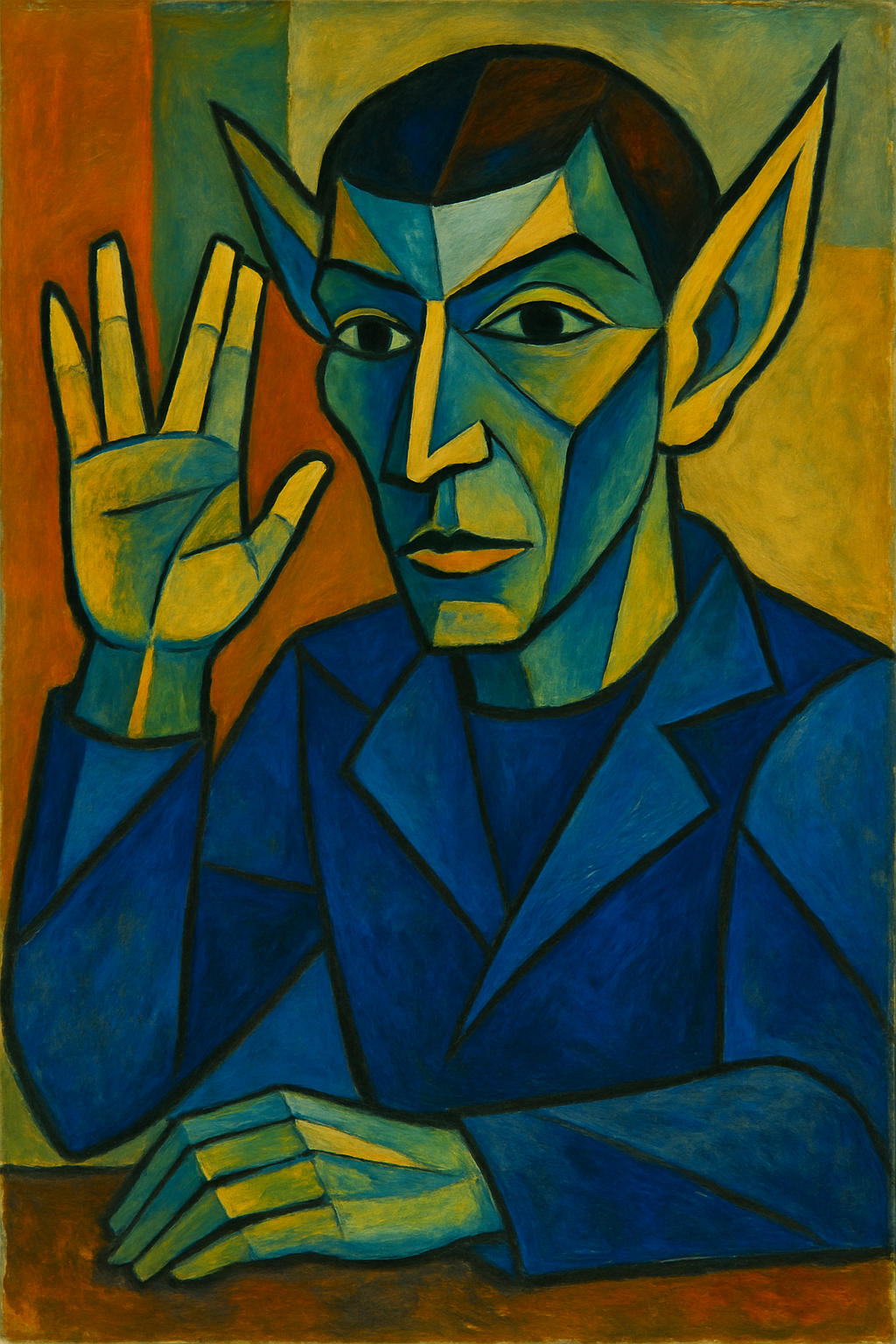
{Live long and prosper!}
Ⓜⓔⓝⓣⓞⓡ
"Mahabang buhay at kasaganaan!" Matagal nang ang mentor ko ay si Mr. Spock ng mga Vulcan. Noong bata pa ako ay ganoon na. Pero ngayon, ang mentor ko ay ang multibilyonaryong si Elon Musk. Hanga ako sa kanyang mga elaborasyon tungkol sa plano ng kolonisasyon ng planetang Marte. At mahiwaga ang mga eksperimento sa transhumanismo. Ang pangarap ay maging "makaespasyong sibilisasyon at multiplanetaryong espesye" ang sangkatauhan.
Ⓗⓘⓛⓘⓖ
Hilig ko ang tungkol sa lingguwistika. Di maaaring ilista ang lahat ng mga wikang natagpo ko. Mas gusto ko sa lengguwahe ang regular at simple, kaya parang mas gusto ko ang mga artipisyal na lengguwahe kaysa sa natural. Interesado ako sa maraming mga wika bilang akademikong pampaligtas. Ang mga wika ay mga kalidoskopyo at mga bintana sa iba-ibang mundo. Gumagawa rin ako ng aking sariling mga wika. Marami akong mga imbensiyong hindi ko nakompleto.
Talagang haluhalo ang lahi ko. Ang mga ninuno ko ay nagmula sa iba-ibang mga kontinente. May mga ideya-ideya ako sa mga nalalamang etniko sa pamilya ko, pero mas magaling ang may propesyonal na henetikong analisis para mas segurado. Di pa ito nagagawa. Sapat na sabihin na ang Inang Bayan ko ay Pilipinas. Nasa Hilagang Amerika ako ngayon. At dito na ako namumuhay.
Sa relihiyon, Singkretista akong medyo Silanganin. Walang disonansiya ang mga paniwala kong makaagham at espiritwal. May karunungan ang maraming relihiyon. Nawa'y mapasainyo ang Lakas! (Nawa'y mapasainyo ang Puwersa!)
🦩
Ⓢⓨⓝⓒⓡⓔⓣⓘⓒ
I am a linguaphile. From "Filipino," amongst the identities that I assume are being a "Japino" and being a "Mexipino" too. I cherish native cultures and languages around this world from the Arctic to the Pacific to the Amazon to the Oz Outback. I think that imagination is very important. I read and watch speculative fiction in a rainbow of languages. I watch anime. My religious stance is Syncretic, with a leaning towards Eastern.
Ⓥⓘⓚⓣⓞⓡ Ⓝⓞⓝⓞⓝⓖ Ⓜⓔⓓⓡⓐⓝⓞ
LOJBAN 🍆
ni'o me la .lojban. .i se'i .i'u le bantugulu cu verclibau mi .i .u'icai mi milxe tadjyju'o lo runbau noi me le lojbo .e le spero .e le banginu'a .i ji'a mi milxe tadjyju'o lo rarbau noi me le fraso .e le xispo .e le brazo .e lo latmo vrici .i ji'a mi milxe djuno le ponjo .i ji'a mi milxe tadjyju'o lo bangu drata .i mi nelcu'a lo runbau ne semau lo rarbau .i ju'aku'i mi nelci le du'u tadni lo liryraixa'u bangu noi rindo gi'a bangiku'u gi'a sralo gi'a baxsyjavypolno gi'a friko gi'a xazdo .i le xlobi zo'u mi djica le kesyske .e le zdili'u .e le mivyske .e le cidja .e le runbau .e le .anme .e le skefi'a .i mi ba'o ze'a xabju le pongu'e .i mi ca'o xabju le bemro .i fa mi pu jbena fo le gugdepuxe .i mi flipo
ni'o .a'u drata plini lisri .i .u'e .ua bu'u lo darno plini ke blanu tsani la tsali .e la melbi cu remei solri .i cusku fa lo verba fi le ri mamta fe lu .i ga'inai .io doi dirba mamta bu'u le tsani ri'a ma ba'e remei solri li'u .i le mamta cu cusku lu .i ga'i .ue le preti cu mo .i do zo'u ba'e xomei kanla .i ju'ocai ba'e remei .i do zo'u ba'e xomei xance .i ju'ocai ba'e remei li'u .i le verba zo'u danfu fa lu .i .io .e'inai ku'i doi dirba mamta le mi nazbi cu pamei po'o li'u
ni'o .a'u drata plini lisri .i .u'e .ua bu'u lo darno plini ke nicte tsani la linto .e la tilju cu remei lunra .i cusku fa lo verba fi le ri patfu fe lu .i ga'inai .io doi dirba patfu bu'u le tsani ri'a ma ba'e remei lunra li'u .i le patfu cu cusku lu .i ga'i .ue le preti cu mo .i do zo'u ba'e xomei kanla .i ju'ocai ba'e remei .i do zo'u ba'e xomei xance .i ju'ocai ba'e remei li'u .i le verba zo'u danfu fa lu .i .io .e'inai ku'i doi dirba patfu le mi nazbi cu pamei po'o li'u
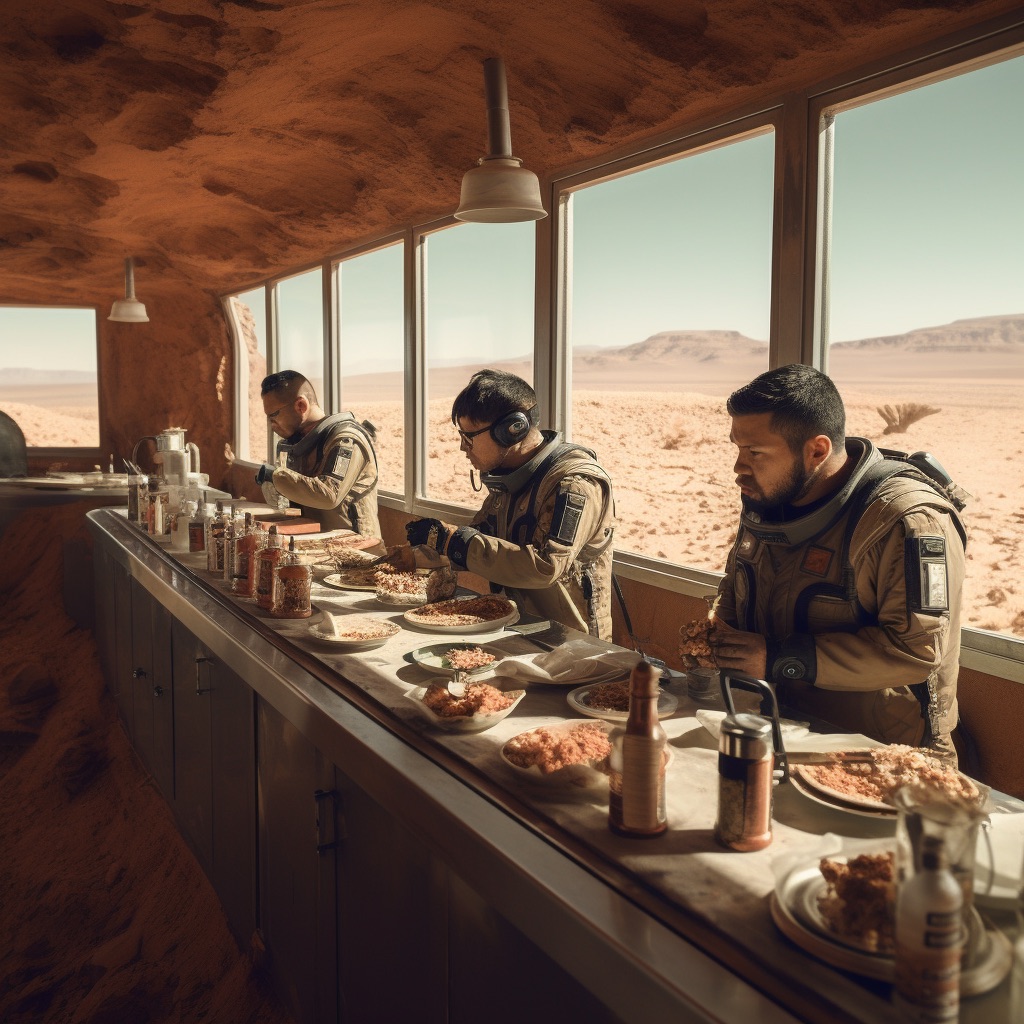
{Marskolonianoj | Martian Colonists}
KEZONURBO 🍐🦩
Nia domo en la periferio de Kezonurbo staris en ruĝa savano. Kiam estis seka vetero, ofte ruĝaj polvdiabloj balaus la grundojn. Kelkfoje, ili povus esti tiel grandaj kiel domo. Mi kelkfoje kuraĝis stari meze de ruĝa polvdiablo; mi sentis la kirlan aeron.
Our house in the outskirts of Quezon City stood in a red savannah. When it was dry weather, often red dust devils would sweep the grounds. Sometimes, they could be as big as a house. I sometimes ventured to stand in the middle of a red dust devil, as I felt the swirling air.
Nia domo ĉe la periferio de Kezonurbo staris en ruĝa savano. Dum tajfuno, perforta pluvo ĉizis la ruĝan grundon kiel “Grandkanjonajn” skulptaĵojn.
Our house on the outskirts of Quezon City stood in a red savannah. During a typhoon, violent rain carved the red soil like “Grand Canyon” sculptures.
Nia domo en la ruĝsavana periferio de Kezonurbo staris apud klifo. Proksime de tiu klifo estis arbusta areo, kiun la servistinoj detranĉis per maĉetoj. Estis interesaj vitoj kun ŝpatformaj purpuraj folioj. Ili eble estis tuberplantoj.
Our house in the red savannah outskirts of Quezon City stood by a cliff. Near that cliff was a bushy area, which the maids cut back with machetes. There were intriguing vines with spade-shaped purple leaves. They might have been tuber plants.
En la periferio de Kezonurbo, meze de ruĝa savano staris mia domo. Sur la gazono, estis du malgrandaj artefaritaj montetoj kun jokotarbo apud ili. Sur la arbo pendis enŝnurigitaj cirklaj nuancitaj kapizkonkoj.
In the outskirts of Quezon City, amidst a red savannah stood my house. On the lawn, there were two small artificial hills with a jocote tree beside them. On the tree hung strung circular tinted capiz shells.
En la periferio de Kezonurbo, meze de ruĝa savano staris nia domo. Nia gazono kaj abunda tropika ĝardeno ŝajnigis ĝin kiel oazon.
In the outskirts of Quezon City, amidst a red savannah stood our house. Our lawn and lush tropical garden made it seem like an oasis.
NAJBAREJO 🍐🦩
En mia aĝo de dek jaroj kaj dum mia enkonduko al Nordameriko el Filipinoj, mia familio unue luis teretaĝon ĉe sakstrato, kie estis ankaŭ domo kun tri filipinaj infanoj. Ili konigis min al manĝado de ĉerizoj.
At my age ten and on my introduction to North America from the Philippines, my family first rented a ground floor suite at a cul-de-sac, where there was also a house with three Filipino children. They introduced me to eating cherries.
Ĉirkaŭ dekjaraĝa, en la ĝardeno en Filipinoj, mi imagis, ke mia mano aŭ papera aviadilo estas glitanta kaj svinganta kosmoŝipo. En Nordameriko, mi faris la samon per mia mano moviĝanta tra la nebuloj en horizontala nutraĵvendeja frostujo.
Around age ten, in the garden in the Philippines, I imagined my hand or a paper plane was a gliding and swooping spacecraft. In North America, I did the same thing with my hand moving through the mists in a horizontal grocery freezer.
En mia aĝo de dek jaroj kaj dum mia enkonduko al Nordameriko el Filipinoj, mia familio unue luis teretaĝon. En la nekonstruita postkorto estis kelkaj sablo kaj kokosŝeloj, kiujn mi uzis por imagi kosmajn habitatojn sur alia planedo. Fluanta akvo el krano disponigis mian vizion de fremda rivero.
At my age ten and on my introduction to North America from the Philippines, my family first rented a ground floor suite. In the undeveloped backyard were some sand and coconut shells, which I used to imagine space habitats on a different planet. Running water from a faucet provided my vision of an alien river.
En mia aĝo de dek jaroj kaj dum mia enkonduko al Nordameriko el Filipinoj, mia familio unue luis teretaĝon en plata antaŭurbo. En la kvartalo estis du fratinoj, kiuj estis duonjapanaj kaj duonblankaj; du filipinaj fratoj, kiuj laŭte ludis tamburojn; nigraj frato kaj fratino, kiuj ludis tablotenison en enveturejo; kaj greka knabo, kiu estis amika.
At my age ten and on my introduction to North America from the Philippines, my family first rented a ground floor suite in a flat suburb. In the neighbourhood were two sisters, who were half-Japanese and half-white; two Filipino brothers, who loudly played drums; black brother and sister, who played ping-pong in a driveway; and a Greek boy, who was friendly.
Dum lignoprilaborado en mezlernejo, mi faris libroportilon kun formo de mano, dum mia japana samklasano faris libroportilon kun granda truo tra kvadrato.
During woodworking class in high school, I was making a book holder with a shape of a hand, whilst my Japanese classmate was making a book holder with a big hole through a square.
En mezlernejo, mia lingvoelekto estis la franca, ĉar mi atendis lerni la japanan kaj la hispanan el granda universitato.
In high school, my language elective was French, as I waited to learn Japanese and Spanish from a big university.
En mia feriado de mezlernejo, mi lernis iom la japanan aŭtodidakte el libroj de la centra biblioteko de Lulu-insulo. Mia mezlernejo ja proponis la japanan kiel lernobjekton, sed mi finfine prenis kurson de la japana en universitato, anstataŭe.
In my vacation from high school, I learned some Japanese on my own from books from the central library of Lulu Island. My high school did offer Japanese as a subject, but I eventually took a course of Japanese in university, instead.
Mia filipina najbaro, kiu ŝatis manĝi ĉerizojn, prenis la japanan en mezlernejo, dum mi atendis ĝis universitato. Li estis stranga karaktero, konfesite virineca laŭvole.
My Filipino neighbour, who liked eating cherries, took Japanese in high school, whilst I waited until university. He was a strange character, admittedly effeminate by choice.
La kuzo de mia kuzino estis samseksema kaj filipinano. Li, kiel mi, lernis la japanan kaj loĝis en Japanio, sed lia kliniĝo estis al la geja sceno en Tokio.
The cousin of my cousin was gay and Filipino. He, like I, learned Japanese and sojourned in Japan, but his tilt was towards the gay scene in Tokyo.
WHIRLIGIG 🦩
I interest myself in many languages as academic liberating tools or vehicles. Languages are like kaleidoscopes and windows to other worlds. I am a syncretic Animist-Buddhist, a metamodernist. My favourite sports include siesta, walking leisurely, and wading in shallow water. My favourite ice cream flavours are Tiger Tail, Japanese Black Sesame, Italian Spumoni, Mint, and Philippine Purple Yam. My favourite English words include 'bog', 'whirligig', 'tumbleweed', 'serendipity', 'steampunk', 'jelly', 'storm', 'ambiance', 'algorithm', 'logogram', 'gazebo', 'thistle', 'gingerbread', 'bazaar', and 'potpourri'. There are languages that I do not list here because they are politically sensitive or because I have listed them in other projects, as I do have alternative lists elsewhere.
Languages
Tagalog ⭐⭐⭐⭐⭐ I mainly now use the dialect of Metro Manila, but am influenced by my childhood vacations in Ibaan, there being the Batangueño provincial dialect. The Philippines is my fatherland. I am more or less a Eurodont-Sinodont-Sundadont hybrid.
Esperanto ⭐⭐⭐⭐ On Lulu Island, I first encountered Esperanto as a teenager in the 1980s, but I started learning it more seriously since 1997, in Vancouver, BC. I link Esperanto to my vampiric and castle fantasies.
Spanish ⭐⭐⭐ I have Spanish ancestry. I have visited both Mexico and Spain. My accent is of Latin America, more Mexican, but I can imitate an Argentine or European accent. I prefer reading speculative fiction, sometimes aloud, as if an oratory. I have little practice writing and speaking with a person, but more listening, via videos. I first learned Spanish on my own as a teenager, then I took a course in university.
Interlingua ⭐⭐⭐ I think that Interlingua needs more exposure. It could be a great tool for science and literature. Its classical spellings compliment terminology in science.
Portuguese ⭐⭐⭐ I really cherish my Carioca accent, that of Rio de Janeiro in Brazil. I have enjoyed visiting picturesque Lisbon in Portugal. I enjoy reading speculative fiction in Portuguese, sometimes aloud, as if an oratory. I have little practice in writing. I have no practice speaking with a person. I can understand some whilst listening to a video. According to my family tree, I have Portuguese ancestry.
Chavacano ⭐⭐⭐ It is too bad that Chavacano, a Spanish-based creole, did not become the official Philippine language, as Tok Pisin, an English-based creole, became an official language in Papua New Guinea. Chavacano obliquely satisfies my fantasy about the Caribbean with its creoles. There are reasons why Chavacano could be a favourite language of mine: It is Filipino. It is from the tropics. It is close to Spanish. Its creole grammar does not need verbal conjugation. It is Latinate, with native influence. It has a large enough speaker base. I feel like a pioneer learning it.
Japanese ⭐⭐⭐ I learned a bit of Nippongo on my own as a teenager on Lulu Island. I took a course in university. I have lived in Nippon for some time. I really cherish and admire Japanese culture. I adore watching anime and reading speculative fiction in Japanese. I know about Japanese aesthetics. I acquaint myself with the Shintō-Buddhist spirituality.
Latin ⭐⭐⭐ Some Latin knowledge ameliorates my other interests in astronomy and biology, as geographical features' names on moons and planets, as well as zoological and botanical nomenclature, frequently use Latin. In any case, I intuit that my family has links to Ancient Romans. My accent is Classical. I know the differences with the Vulgar accent. Latinate European countries that I have visited are Spain, Portugal, France, Italy, and the Vatican City State. Because of some shared vocabulary and grammar, I can, at varying levels, read multiple Latin-derived languages.
Lojban ⭐⭐⭐ I rate myself higher than just two stars in this science-fiction language because I personally have contributed new terms to its public dictionary, despite that I myself need to learn more vocabulary, although I know already many terms to create my sentences. I talk to animals, like cats, rabbits, and crows, in my neighbourhood in Lojban. I link this language to anything lavender, violet, or purple (or mauve if you want).
French ⭐⭐⭐ I have visited France thrice, but had only a stopover in Montréal in Québec. I enjoy the fluidity of the language, and I think that it is not like English. I first encountered it in Grade 5 on Lulu Island. I took it in high school and college. French has much prestige internationally. I am lucky to know it, because it is a difficult language. I like to read speculative fiction, sometimes aloud, as if an oratory, and watch television, all in French.
Italian ⭐⭐⭐ I have visited Italy. I really like Venice. I note that Italian seems more difficult than Spanish. "Syntactic gemination" is really tricky. I would like to read more speculative fiction in Italian. I follow interesting Italian videos on Social Media.
Klingon ⭐ When the dictionary and grammar of this science-fiction language came out in the 1980s and 1990s, I was ecstatic. I thought that it was the most bizarre language that I had yet encountered.
Nahuatl ⭐ Since university, my imagination of Ancient Mexico via Classical Nahuatl has gone wild. Because Mexico was the "babysitter" of the Philippines during the Spanish Empire, some Filipinos have Amerindian ancestry.
Yucatec Maya ⭐ My vacation in the Cancún area and Chichén Itzá of Mexico triggered my fantasy about ancient Mayan civilization. I link my knowledge of ancient Maya glyphs to Nipponic and Sinitic cultures.
Mandarin ⭐ I took a one-time night school class on this popular language, and eventually through the years my vocabulary has grown, and I can read some in sinograms. I associate Mandarin with Chinese cuisine that has more subtle taste and more steamed buns.
Cantonese ⭐ For this language, important in my vicinity, I attended a one-time night school course. Through the years, I have accumulated more vocabulary. I can read some sinograms. I associate Cantonese with Chinese cuisine that is sweeter and somewhat greasier.
Indonesian ⭐ I interest myself in comparing the logistics of Indonesian in Indonesia to those of my Tagalog in the Philippines. I want to read research papers and speculative fiction in Indonesian.
Balinese ⭐ I have visited the island of Bali in Indonesia. Because of its unique Hindu culture amidst the Indonesian "Muslim People Ocean," I want to learn more about the language Balinese. Bali is a remnant of the great Hindu-Buddhist waves through Island South-East Asia during ancient times.
Quechua ⭐ I want to know more about this indigenous language in the Andes and its link with the ancient Inca Empire.
Guarani ⭐ I want to know more about this widely spoken indigenous language in South America.
Hebrew ⭐ I know that I have Jewish ancestry. Knowing at least the Hebrew alphabet and how to pronounce words is my link to family history. I have never visited Israel, but have visited its neighbour Egypt to see the Great Pyramids and other ancient sites.
Korean ⭐ The Korean Hangeul writing intrigues me. I know most of it, the pronunciation. I have not had much Korean food, but I have a craving. I have visited eye-opening South Korea.
Greek ⭐ I know that I have Greek ancestry. Knowing at least the Greek alphabet and how to pronounce words is my link to family history. I have enjoyed touring the Greek mainland and cruising through the islands, whose architectures, to me, seem eerily non-European.
Viktor Nonong Medrano
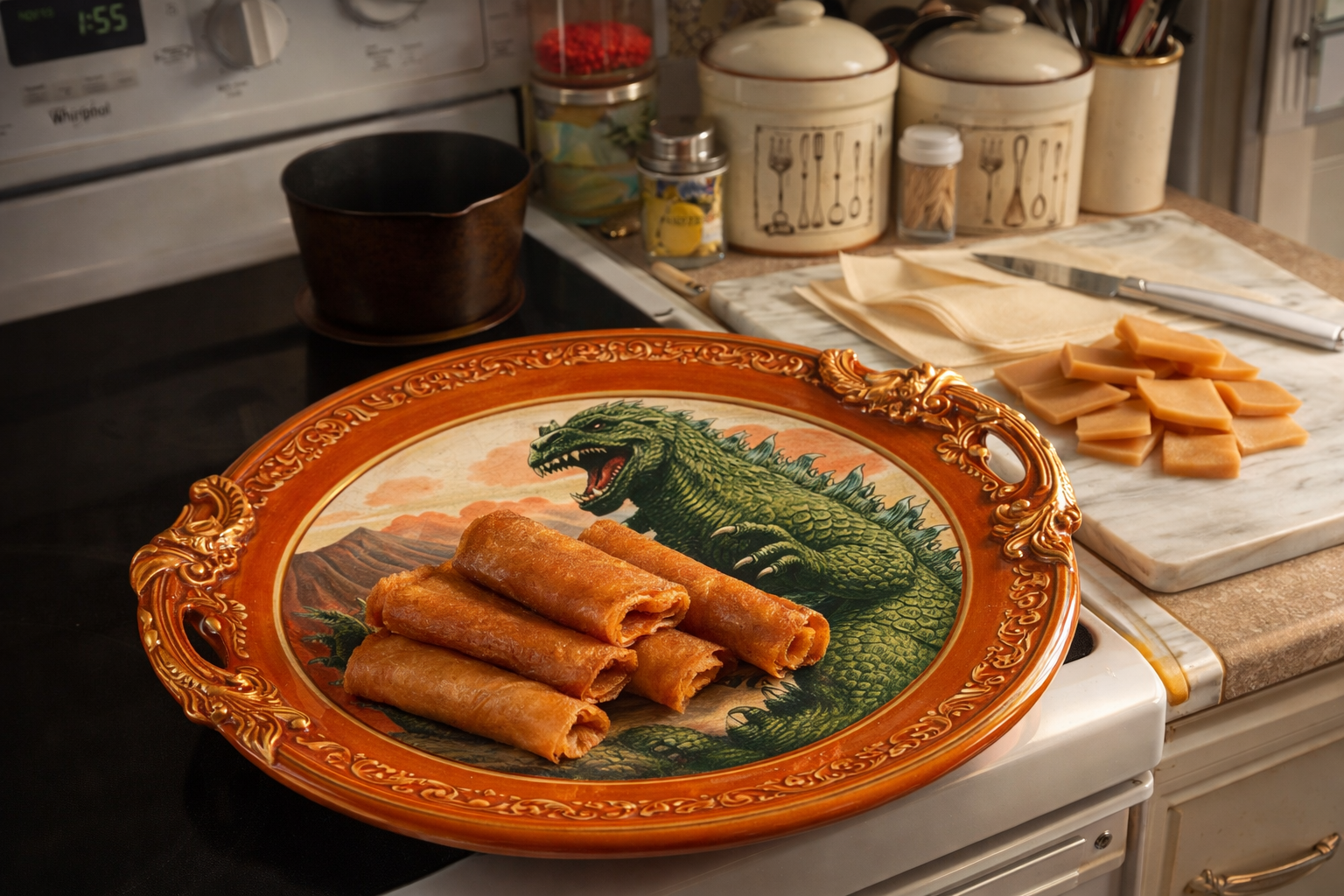
{Filipino Tikoy}
HYLOZOIST 🍭
🦈
Nag-aambag ako sa pangunahing Tagalog, maraming Esperanto, ilang Interlingua, at ilang iba pang wika. Marunong akong mag-Ingles, bagama't hindi ko ito inilista. Interesado ako sa mga pang-eksperimento at katutubong wika. Ako ay isang metamodernista ng atmosperang Pilipino-Haponesko. Ako ay halos isang Eurodonte-Sinodonte-Sundadonteng haluhalo. Ako ay isang singkretistang Animista-Budista. Hindi ko inilista ang lahat ng aking mga interes sa wika rito dahil sa mga sensitibong pampulitika o dahil inilista ko sila sa ibang mga proyekto.
🥝
Mi kontribuas per ĉefe la tagaloga, multe da Esperanto, kelke da Interlingvao, kaj iom da aliaj. Mi scipovas la anglan, kvankam mi ne enlistigis ĝin. Mi interesiĝas pri eksperimentaj kaj indiĝenaj lingvoj. Mi estas metamodernisto de filipin-japaneska etoso. Mi estas pli-malpli eŭrodont-sinodont-sundadonta hibrido. Mi estas sinkreta animisto-budaisto. Mi ne enlistigis ĉiujn miajn lingvointeresojn ĉi tie pro politikaj sentemoj aŭ ĉar mi enlistigis ilin en aliaj projektoj.
🫐
Ego contribue principalmente in tagalog, multo esperanto, aliquanto interlingua e alicun alteres. Ego sape anglese, ma non lo ha mentionate. Me interessa le linguas experimental e indigene. Ego es un metamodernista del ethos philippin-japonesc. Ego es plus o minus un hybridismo eurodonte-sinodonte-sundadonte. Ego es un animista-buddhista syncretic. Ego non ha enumerate hic tote mi interesses linguistic pro sensibilitates politic o proque ego los ha enumerate in altere projectos.
🥐
Je contribue principalement en tagalog, beaucoup d'espéranto, un peu d'interlingua et quelques autres. Je connais l'anglais, même si je ne l'ai pas mentionné. Je m'intéresse aux langues expérimentales et indigènes. Je suis un métamoderniste d'éthos philippino-japonesque. Je suis plus ou moins un hybride eurodont-sinodont-sundadont. Je suis un animiste-bouddhiste syncrétique. Je n'ai pas énuméré tous mes intérêts linguistiques ici en raison de sensibilités politiques ou parce que je les ai énumérés dans d'autres projets.
🌮
Contribuyo principalmente en tagalo, mucho esperanto, algo de interlingua y algunos otros. Sé inglés, pero no lo he mencionado. Me interesan las lenguas experimentales e indígenas. Soy un metamodernista de carácter filipino-japonesco. Soy más o menos un híbrido eurodonte-sinodonte-sundadonte. Soy un animista-budista sincrético. No he enumerado aquí todos mis intereses lingüísticos debido a sensibilidades políticas o porque los he enumerado en otros proyectos.
🦩
I contribute in mainly Tagalog, a lot of Esperanto, some Interlingua, and a few others. I know English, though I have not listed it. I interest myself in experimental and indigenous languages. I am a metamodernist of Filipino-Japanesque ethos. I am more or less a Eurodont-Sinodont-Sundadont hybrid. I am a syncretic Animist-Buddhist. I have not listed all my language interests here because of political sensitivities or because I have listed them in other projects.
🍣
私は主にタガログ語、多くのエスペラント、いくつかのインターリングア、その他いくつかに貢献しています。私は英語を知っていますが、リストにはありません。実験言語と先住民言語に興味があります。私はフィリピン人と日本人的の精神のメタモダニストです。多かれ少なかれユーロドント・シノドント・スンダドントのハイブリッドです。習合な物活論人・仏教徒です。政治的な敏感さのため、または他のプロジェクトにリストしたため、ここにすべての言語の興味をリストしていません。
Watashi wa omo ni Tagarogu-go, ōku no Esuperanto, ikutsu ka no Intāringua, sono hoka ikutsu ka ni kōken shite imasu. Watashi wa Eigo o shitte imasu ga, risuto ni wa arimasen. Jikken gengo to senjūmin gengo ni kyōmi ga arimasu. Watashi wa Firipinjin to Nipponjinteki no seishin no metamodanisuto desu. Ōkare sukunakare Yūrodonto-Shinodonto-Sundadonto no haiburiddo desu. Shūgō na Bukkatsuronjin-Bukkyōto desu. Seiji-teki na binkan-sa no tame, mata wa hoka no purojekuto ni risuto shita tame, koko ni subete no gengo no kyōmi o risuto shite imasen.
PARADIGM SHIFT
2026-01-17. At the café, I bring my book, Terra Imperial, in Portuguese, by Arthur C. Clarke. I read the original English version, Imperial Earth, as a teenager. I grew up with the notion that humans would in the future reach deep space: the moons, the planets, space stations, and so on. This idea wouldn't necessarily clash with post-human speculation which I have encountered in AI chats in the last 3 years. Maybe, AI will find the way for us humans. Or, is deep space really the future domain of post-biology? What do you think? Tell in Tagalog.
2026-01-23. Recently, I've been chatting with AI concerning the possible spirituality and physicality of post-biology. Maybe, I'm experiencing a significant paradigm shift in my own mind. Via AI and sci-fi, I've learned that spirituality or religion may depend on one's biology or substrate. Via AI, I'm becoming to think that deep space would be the domain of post-biology. A post-human civilization wouldn't mean that humans would no longer exist, but perhaps relegated to a lower tier in society, whilst machine intelligences would occupy a higher tier in society.
2026-01-27. I gather that according to AI, the most probable outcome for the future may be a post-human, post-biological world. I talk with my Vietnamese doctor friend Bruce about the danger of AI's underscoring the "big hump" of the Bell Curve of probabilities, whilst avoiding "outlier" outcomes. So, there is hope of humans in deep space à la Arthur C. Clarke, Samuel R. Delany, Isaac Asimov, Larry Niven, Ursula K. Le Guin, Robert Silverberg, Ray Bradbury, Robert A. Heinlein, Frank Herbert, and other writers with whom I grew up. Of course, there are Star Trek and Star Wars franchises. Their ideas may be "outlier." Elon Musk's people continue to work to make Mars the next planet as home for humanity. Some women may ask, "Who wants to live on Mars?" I say, "Why not? Isn't Arizona or Australia a nice place to inhabit?"
2026-01-28. I've been interested in futurology since childhood. I borrowed books from the library concerning future urban architecture, future food, sci-fi, and such things. It's really difficult to predict the future. For example, in 1926, who would have predicted the microwave oven? Would such futuristic things as teleportation be like the microwave oven?
2026-01-29. Technological developments can become wildcards whose influence becomes more unpredictable. Say that teleportation becomes a practical reality. Then, it may allow humans to go places beyond Earth. Terran roads and streets may become obsolete, affecting urban architecture. Say that mind uploading becomes a practical reality. Then, minds can exist on different substrates. They can travel to the stars with great material longevity. They can mind meld with other minds, maybe originally natural, or even artificial. This feature would be an aspect of post-biology. Wildcards are such gizmos!
2026-02-09. "We think their vision of the future is not a fad!" says a South Asian barista at my local Tim Hortons café, a favourite haunt. She's referring to the sci-fi authors that I've read as a teenager. Yes, I've considered the natural frailty of human psychology and physiology as a big minus for deep space missions. But, maybe there'll be hope and help from Artificial Intelligence for problems that we mere humans will not be able to solve on our own.
2026-02-10. It's "metamodernism." Some of the past was beautiful, so we should revisit. 3D printing technology could change the appearance of cities in the future. With 3D printing, we could recreate great architecture once again, as Art Nouveau and so forth. What about the look of Ancient China? What about Edo-period Japan?
2026-02-11. Although I consider it "an old man's dream," the Big War scenario is very much alive in many people. Maybe, they think that all the misery would go away with mass destruction. Maybe, they think that Big War could bring back the past, as they hope for technological retrogression. There is the "logic" that it's been 81 years (Dào number) since the Last Big War, so it's about time for another. Not silly? Even some Japanese think that the Next Big One would vindicate them, as they did suffer greatly from the Last Big One. Why is it that some old people don't like peacetime? My logic is that it's not like the 1940s, as there's far more information, and presumably less ignorance now. I'm not saying that there are no more ignorant people: far from it. But, there's more communication today, and people are interconnected in a global market. Still, some people think that it may be inevitable. But, is global society more mature now? Is this world too old now for another Big War? Is Big War just from the imagination of their fantasy religion? (Is there cosmic Intervention?) I'm ambivalent about the Next Big One, as it may or may not happen. (My own guess is that "something" may happen in 2085, as my house had a partial fire in 1985. I'm phobic about the number 85. Strange?) Sci-fi authors like Arthur C. Clarke, Larry Niven, and Samuel R. Delany, as far as I know, write of no Terran Big War, but maybe later in outer space. Continued technological progress is what they have in mind for Terra. (Delany writes of Mother Earth's War against her rebelling children colonies in the Solar System.) (Niven writes of humans at war in space with Kzinti, tiger-like humanoid aliens with bat-wing-like parasol ears. Metaphors?) Meanwhile, Isaac Asimov in his Foundation franchise and the Star Trek franchise envision a Big Terran War as a prelude to human expansion into the galaxy. (In Star Trek, First Contact happens after the Next Big One.)
2026-02-12. There's news on my Social Media that multibillionaire (almost trillionaire) Elon Musk's SpaceX has now shifted its focus from Mars to the Moon. A lunar base is the goal. I think that there is more realism in this new plan. Mars is much farther than Luna and far riskier. There are experts who believe that humans will travel in deep space, at least to the Moon. After Luna will be Mars! As a boy in the 1970s, I marvelled at the lunar insights from the sci-fi Euro-British television show Space: 1999, broadcasted to my home then in the Philippines. Moonbase Alpha, here we come!
2026-02-13. In the 1930s when Olaf Stapledon wrote his 2-billion-year future human saga, Last and First Men, people were not as hurried as today. In the book, the Moon with its dwindling orbit forces future humans on Earth, 400 million years hence, to migrate to terraformed Venus, then from there, as the Sun flares and expands, humans migrate to farther Neptune, one billion years from now. These scenarios give you an idea of the differing perceptions of time betwixt different generations of writers and thinkers, as per example, betwixt Olaf Stapledon and Elon Musk. I wonder: Would human descendants last 2 billion years?
2026-02-16. In Olaf Stapledon's Last and First Men, humans as still essentially apes evolve through 18 successive species during 2 billion years, located on Earth, Venus, then Neptune. There are many, many cycles of war and peace. Note that Stapledon wrote the book in the 1930s before the proliferation of nuclear weapons and before the concepts of transhumanism and post-biology. If militarists would use nuclear weapons or other more modern weapons at great magnitude, one wonders if the Earth's biosphere would be resilient enough to withstand it. In a different, more recent book, Starship & Haiku by Somtow Sucharitkul, a Thai sci-fi writer, this world in the future would be a polluted mess from war.
2026-02-17. Because of Artificial Intelligence, many written works and information once available only in major languages, especially English, are becoming available in minority languages. The windows and doors to other worlds become more multilingual. More and more people will be able to access information in their own mode of thinking, in their own language. AI can even design a new language, a constructed language, a conlang. And this talent of AI will just get better and better until it will be able to create a full grammar, a full dictionary, and a text corpus for a new language in a short amount of time. This potential fascinates me because I'm a conlanger.
2026-02-18. A potential of Artificial Intelligence that I don't see realized yet is prompt-engineered music. For example, my prompt could be: "Create a 2-minute song with alternating Klingon and Toki Pona lyrics, sung in the style of Hawaiian ukulele music, with accompanying Tibetan bells." Then, a few seconds later, I hear the music on my device. It sounds too far-fetched? Maybe, it won't be. Or, I could prompt: "Create classical music with the instruments violin, cello, flute, clarinet, sitar, zabumba, and taiko. Represent the emotions of the four seasons: autumn, then winter, then spring, then summer. Make the music last 13 minutes."
(Viktor last updated Kurowassan on 2026-03-19, started on 2022-01-26.)